
Our Grass Fed Difference
South Fort Farms
Raised the Right Way
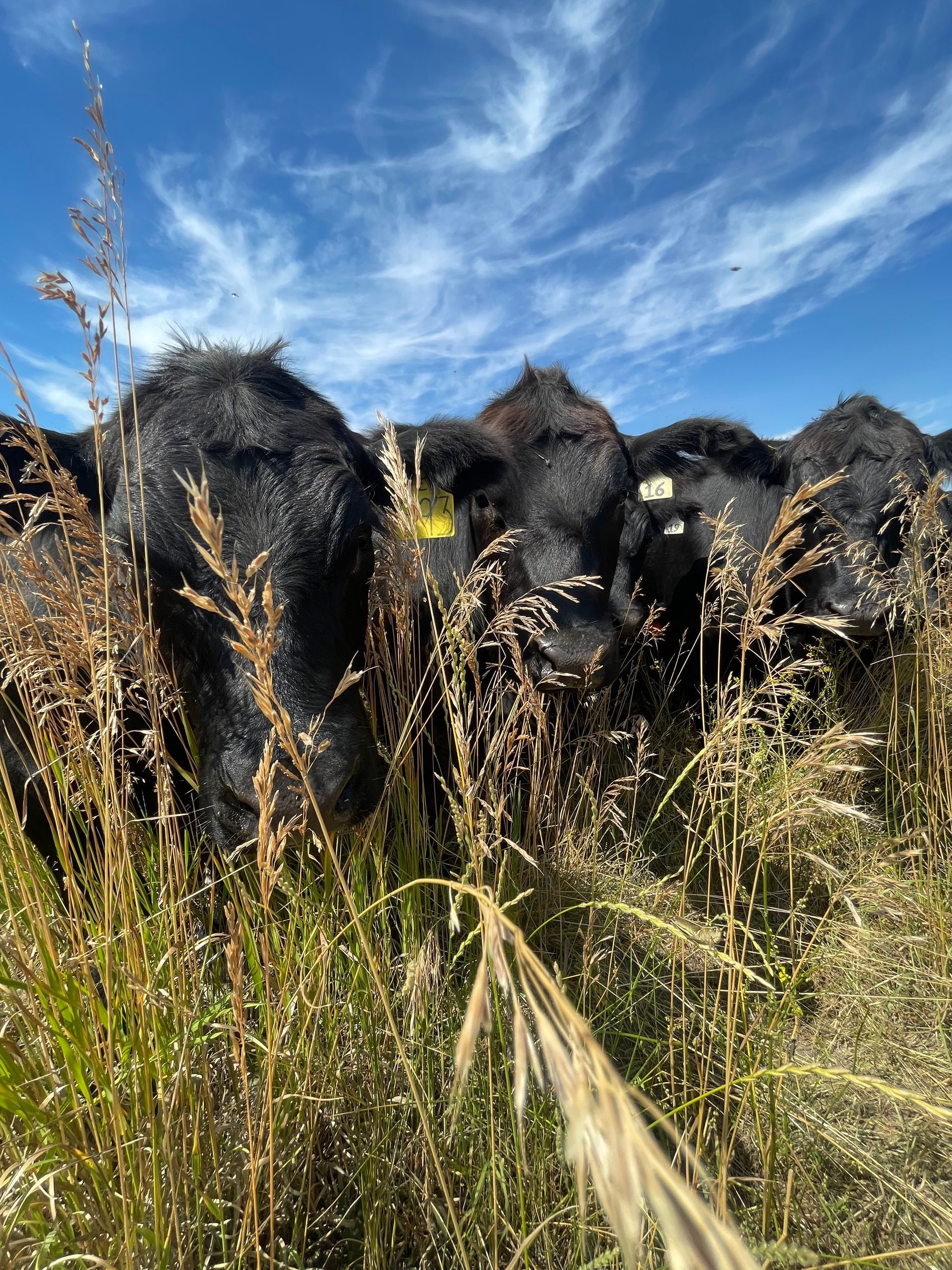
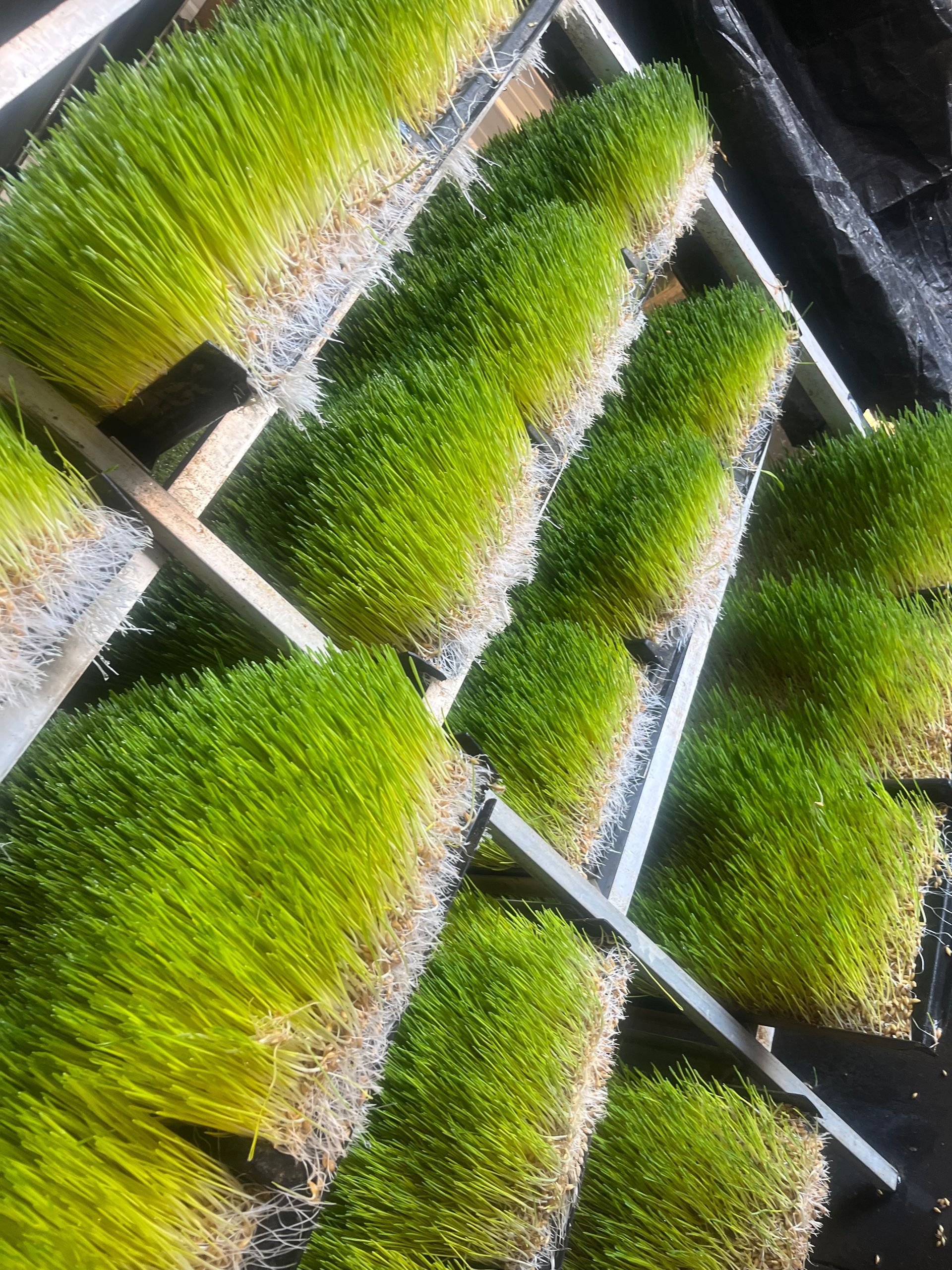
During the warm months, our animals graze freely in polyculture, perennial pastures. As Alberta winters bring snow and colder temperatures, we supplement their diets with fresh, homegrown barley sprouts — known as fodder. After just seven days, barley seeds transform into lush grass mats with peak nutrient value, digestibility, and enzyme activity. This dense, natural food keeps our animals strong and healthy all year long.
Cattle also have free-choice hay, because ruminants need dry matter for proper digestion. Think of it this way: We put the best possible feed into the animal- for its digestive biome. Cattle, with their adapted digestive systems, are able to take plants in, feed their digestive microorganisms who in turn create enough protein to feed the cattle. That is how nature can take a resource like grass, use solar power, biologic and natural chemical cycles to produce a food that literally has all of the essential nutrients needed for survival.
Why We Don’t Follow the Grain-Fed Model
Many operations prioritize cost efficiency over quality and animal welfare. Grain-based feeding programs are designed to put weight on quickly, often in small pens that restrict movement. Some also use hormone implants to accelerate growth and preventative antibiotics to offset the risks of crowding. While these methods may save time and money, they come at a cost to the animal’s health, the environment, and ultimately, the consumer.
At South Fort Farms, we do things differently. We don’t cut corners. Our cattle live in clean, open spaces, eat nutrient-rich natural feed, and are treated with care. When veterinary treatment is necessary, we provide it, but thanks to our environment, it’s rarely needed.
Health Benefits of Grass-Fed Beef
Compared to grain-fed beef, our grass-fed and finished beef offers:
- Less total fat
- Up to 5x more heart-healthy omega-3 fatty acids
- About twice as much conjugated linoleic acid (CLA)
- Much less monounsaturated fat
- Similar amounts of omega-6 fatty acids, B vitamins, iron, selenium, and zinc
These benefits are supported by trusted sources such as Mayo Clinic, Health.com, and Perfect Keto.
Yes — grass-fed takes longer and is more labour intensive. But the results are worth it: healthier animals, healthier people, and better food.
Why Angus Cattle?
We raise Black Angus calves — a breed known for its resilience, efficiency, and flavor. Originating in the Scottish Highlands, Angus cattle thrive in Alberta’s climate. They’re hardy, friendly, and produce beef that’s renowned for its marbling and taste.
While grass-fed Angus has less marbling than grain-fed, it retains the rich, delicious flavor Angus beef is famous for — a taste that reflects the care, time, and environment in which it’s raised.
Order Your Grass-Fed Beef
At South Fort Farms, we’re committed to raising food the right way — for our animals, our land, and our community. Taste the difference grass-fed makes.